Comprehensive Water Damage Restoration to Protect Your Property
Skilled Water Damage Restoration Specialists: Understanding the Process and How We Can Assist You
Water damage has the potential to upend daily life and undermine the structural integrity of a property. Expert restoration services are designed to address these challenges methodically. Beginning with thorough evaluations and extending to efficient water extraction, every phase plays a critical role. Gaining insight into the restoration process can offer reassurance and a clearer perspective. What targeted actions are employed to secure comprehensive drying and ward off potential future concerns? The answers may surprise you.
What You Can Expect During the Water Damage Restoration Process
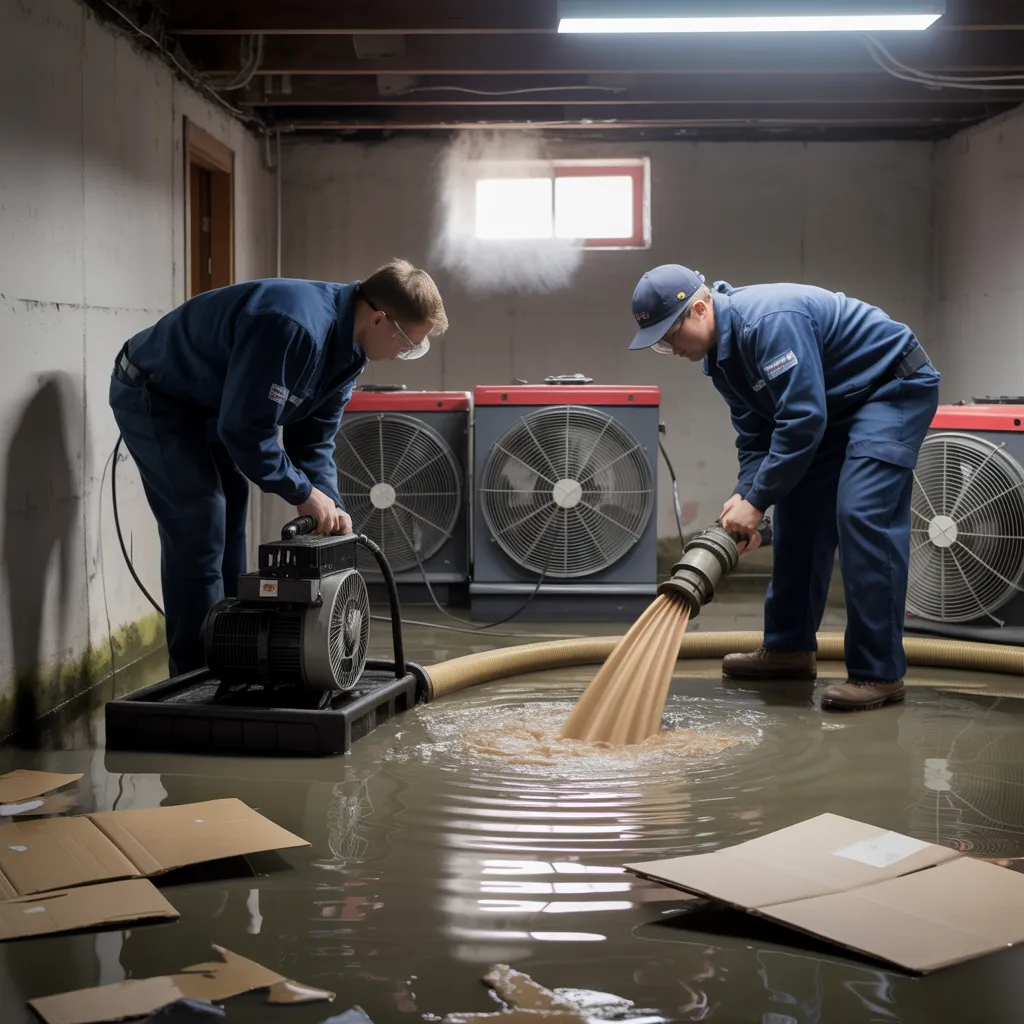
When dealing with water damage restoration, homeowners can anticipate a methodical process for tackling the problem. The process generally starts with the rapid removal of existing standing water, using vacuums and pumps to mitigate further damage. Subsequent to this, advanced equipment such as air movers and dehumidifiers is used to thoroughly dry the affected areas, ensuring that useful guide moisture does not linger and lead to mold growth.
After this, technicians inspect the physical condition of the home, examining walls, floors, and ceilings for evidence of structural issues. Skilled technicians also concentrate on cleaning and sanitizing the impacted surfaces, employing effective cleansers to neutralize hazardous materials. At every step of this process, homeowners are often kept informed about updates and recommended fixes. By maintaining these standards, the rehabilitation procedure aims to return the residence to its pre-damage condition, guaranteeing security and well-being for the inhabitants.
Preliminary Evaluation: What to Expect Initially?
How can homeowners guarantee a thorough response to water damage? The preliminary assessment is critical in the restoration process. Upon arrival, specialists carry out a comprehensive inspection to identify the full extent of the damage. They inspect affected areas, including walls, floors, and ceilings, to identify hidden moisture and potential structural issues. Using specialized tools, such as moisture meters and infrared cameras, technicians can detect water intrusion that may not be visible to the naked eye.
Beyond assessing the physical damage, the team reviews the cause of the water intrusion, whether it is from a ruptured pipe, storm flooding, or various other factors. This knowledge aids in formulating a comprehensive recovery plan. Residents can anticipate a comprehensive document detailing the assessment results and advised measures. This preliminary assessment establishes the groundwork for all future recovery work, providing a precise and effective framework for the recovery process.
How We Remove Water Efficiently
Restoring water-damaged properties requires advanced extraction techniques to remove excess water quickly and effectively. After the extraction process, comprehensive drying procedures ensure that all remaining moisture is fully eradicated, avoiding continued deterioration and mold proliferation. These processes are vital for restoring properties to their pre-damage condition efficiently.
Superior Extraction Approaches
Successful water elimination relies on sophisticated removal techniques that deliver quick and comprehensive moisture removal. Expert water damage restoration companies employ specialized equipment, such as industrial vacuums and submersible pumping systems, built to eliminate pooled water with precision. Such equipment can rapidly remove large volumes of water, limiting the likelihood of structural damage and mold growth.
Additionally, skilled specialists examine the impacted zones to identify the most effective extraction method, ensuring that water lodged in padding, walls, and carpets is addressed. Infrared cameras are often used to detect hidden moisture pockets, enabling a detailed extraction process. By employing these sophisticated approaches, remediation crews greatly reduce drying time, enabling a more effective recovery from water damage.
Detailed Drying Procedures
Restoration teams employ thorough drying methods to ensure that all moisture is eradicated from damaged regions. They employ commercial-grade dehumidifiers and air movers to create perfect airflow, enabling rapid evaporation. This combination confirms that even concealed moisture, commonly found in walls and flooring, is addressed. Technicians monitor humidity levels consistently, calibrating equipment as needed to sustain efficiency. Additionally, specialized thermal imaging cameras may be used to locate areas demanding extra attention. The drying process commonly employs a systematic approach, prioritizing the most seriously damaged zones first. By adhering to these detailed drying protocols, restoration teams not only prevent mold growth but also protect the overall structure of the property, ensuring a complete recovery from water damage.
The Significance of Drying and Dehumidification in Water Damage Restoration
Drying and dehumidification are fundamental processes in the restoration of water-damaged structures, as they facilitate rapid moisture removal from impacted spaces. This method is crucial not only for stopping mold development but also for safeguarding the structural integrity of buildings. Prompt action can significantly minimize long-term damage and related restoration expenses.
Importance of Rapid Drying
Rapid drying and dehumidification play an essential role in reducing the consequences of water damage. Once water enters a building, it swiftly moves through materials including wood, drywall, and insulation, causing structural deterioration and possible lasting harm. Efficient drying reduces the moisture content, stopping additional damage and maintaining the structural integrity. Furthermore, swift dehumidification reduces the likelihood of secondary harm, like staining and foul odors that emerge when materials are left damp for too long. This approach also improves the success of following restoration work, guaranteeing a more seamless restoration. Overall, timely intervention with drying and dehumidification is vital for restoring properties to their pre-damage condition and sustaining a secure, healthy atmosphere.
Inhibiting Mold Growth
While water damage can lead to significant structural issues, it also establishes a perfect setting for mold growth if not handled in a timely manner. Mold thrives in damp conditions, and any leftover moisture resulting from water damage can accelerate its spread. Thorough drying and dehumidification are essential in preventing this hazardous outcome. Water damage experts employ industrial-grade dehumidifiers and air movers to extract residual moisture, ensuring that damaged sections are fully dried. This process not only limits mold development but also decreases the health dangers connected to mold contact. Prompt action, paired with proper drying methods, is essential to preserve both the air quality indoors and the overall condition of the property. Ultimately, preventing mold growth is a key component of extensive water damage restoration.
Maintaining Structural Integrity
Thorough drying and dehumidification are fundamental in maintaining the structural soundness of a property affected by water damage. When water penetrates a property, it can weaken materials such as wood, drywall, and insulation. Extended contact with moisture results in warping, rotting, and ultimately structural failure. Expert restoration teams employ state-of-the-art drying equipment and methods to swiftly extract excess moisture from damaged areas. This method not only reduces immediate damage but also eliminates long-term concerns including foundation instability. By regulating appropriate humidity levels, dehumidification ensures that materials preserve their strength and durability. Ultimately, timely and efficient drying is vital for protecting a property's structural framework and enhancing its resilience against future water-related incidents.
Home Restoration After Water Damage
Furthermore, structural components often require repair or replacement, based on the extent of the destruction. Plumbing and electrical systems should be inspected to verify operational safety and reliability.
Following structural repairs, the attention turns to aesthetic enhancements, such as painting and flooring replacement. This stage frequently requires precise attention to detail to align with the existing aesthetic. Lastly, it is important to carry out a detailed inspection to ensure that all completed repairs satisfy safety requirements and bring the home back to its condition prior to damage. Quality home repairs are vital for preserving both property value and safety.
Top Strategies to Prevent Future Water Damage
To reduce the likelihood of future water damage, homeowners should implement forward-thinking approaches that address potential vulnerabilities in their dwellings. Routinely examining roofs and gutters is absolutely necessary; ensuring they are clear of debris can stop water from pooling and seeping in. Homeowners should also check for vulnerabilities in their pipe systems, as timely identification can significantly reduce repair expenses. Moreover, keeping appropriate drainage systems around the home's foundation, including grading and installing downspouts, works to redirect water from the residence.
Employing sump pumps in basement areas can help lower the chances of flood damage, most notably in locations that experience heavy rainfall. Installing moisture detection sensors can alert homeowners to potential leaks before they become serious. Lastly, strengthening entry points with weather stripping can reduce water penetration during severe weather. By following these approaches, homeowners can significantly minimize the likelihood of future flooding issues and protect their property investment.
What to Look for When Choosing the Best Restoration Service for Your Needs?
Upon applying protective steps against water damage, homeowners might discover they are in need of remediation services as a result of unanticipated occurrences. Choosing the right service provider demands close attention to several factors. To begin, investigate the firm's track record via online reviews and testimonials. A well-established provider often reflects trustworthiness and high standards.
Next, confirm that the restoration service is licensed and fully insured, providing protection against potential liabilities. Consider their expertise in managing specific types of water damage, as expertise can greatly influence outcomes.
Furthermore, find out about the range of services available, such as mold remediation and structural repairs, which can be vital for complete restoration. Prompt response times are also important; a service that functions around the clock is ideal. Lastly, request estimates and discuss pricing to promote transparency and avoid unexpected costs. By following these guidelines, homeowners can reach an informed decision that addresses their unique restoration requirements.
Common Questions and Answers
What Is the Typical Duration of the Entire Restoration Process?
The entire restoration process usually takes from a few days up to several weeks, depending on the severity of the damage, the types of materials involved, and the efficiency of the restoration team involved.
Will My Insurance Cover Water Damage Restoration Costs?
Coverage for water damage restoration differs depending on your policy. In most cases, standard homeowners' insurance provides coverage for unexpected accidents, however, damage resulting from neglect or flooding may not be covered. It's important to review individual policy details for clarity.
Can I Continue Living in My Home Throughout the Restoration?
During restoration, remaining in the home could be an option, subject to the degree of damage and relevant safety considerations. Trained specialists will examine the situation and recommend the best steps for homeowners to take.
Which Types of Water Damage Are Typically Covered by Insurance?
Insurance generally protects against water damage from unexpected incidents like broken pipes, roof damage, or malfunctioning appliances. However, gradual damage or external flood events typically demands separate flood insurance for proper coverage. It is important to review the details of your policy.
How Can I Identify Hidden Water Damage in My Home?
To detect concealed water damage, you should watch for staining on walls, peeling paint, unpleasant musty scents, and dampness in unusual areas. Checking under sinks and behind appliances can additionally uncover hidden moisture issues.